Category: Neuropathy

  • Hot Feet at Night: Causes and Early Nerve Warning Signs

    Hot Feet at Night: Causes and Early Nerve Warning Signs

    Hot Feet at Night: Causes, Symptoms, and Early Nerve Warning Signs
    🌡️ Nerve Health Guide

    Hot Feet at Night: Causes, Symptoms, and Early Nerve Warning Signs

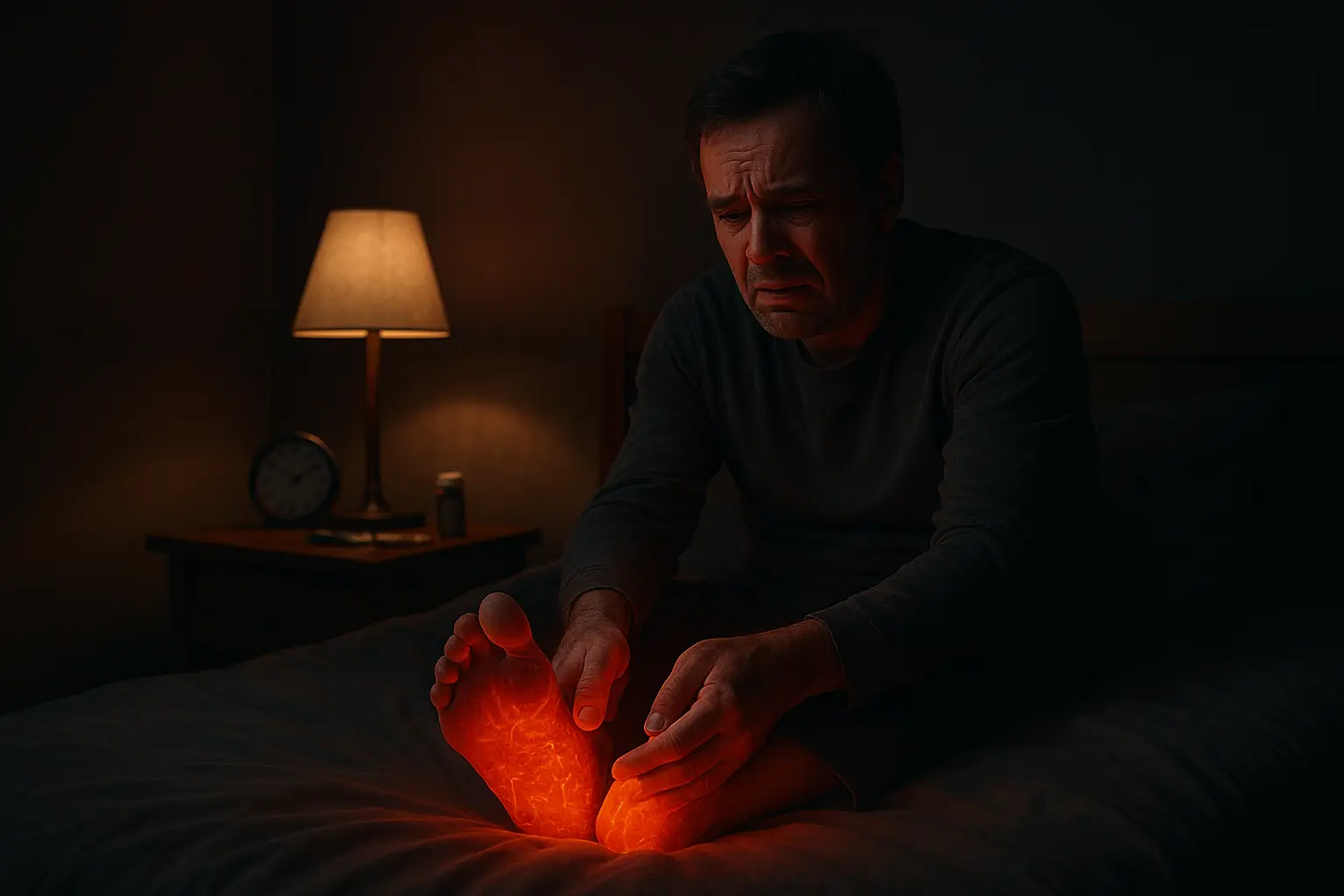
    Have you ever found yourself kicking off the covers at 2 AM because your feet feel like they’re on fire — even though the room is perfectly cool? You’re not alone, and you’re not imagining it. Hot feet at night is one of the most commonly reported sleep disturbances in adults over 50, and the cause is almost never what people think.

    Quick Answer: Hot feet at night are most commonly caused by peripheral neuropathy, diabetic nerve damage, poor circulation, vitamin B12 deficiency, chronic inflammation, nerve compression, alcohol-related nerve damage, or metabolic stress. If your feet feel hot from the inside — not just warm on the skin surface — the cause is likely nerve-related rather than vascular.

    Here’s what most people get wrong: they try cooling the room, switching to lighter bedsheets, or putting their feet on a cold floor. It helps for a few minutes — then the heat comes right back. That’s the telltale sign that the heat isn’t coming from your environment. It’s coming from your nervous system.

    This guide explains exactly why that happens, what the 8 most common causes are, and how to tell whether your hot feet at night are a passing inconvenience or an early warning sign worth paying attention to.

    In this guide you’ll learn:

    • the difference between vascular heat and nerve-generated heat
    • the 8 most common causes of hot feet at night
    • why nighttime consistently makes the symptom worse
    • when hot feet become an early neuropathy warning sign
    • what researchers are now finding about nerve health and nighttime foot temperature

    Table of Contents

    What Hot Feet at Night Actually Feels Like

    The experience varies — but there are two distinct types, and understanding which one you have matters more than most people realize.

    🌡️ Vascular heat

    The skin is actually warm or hot to the touch. Caused by increased blood flow. Often accompanied by visible redness. Usually responds — at least temporarily — to cooling.

    ⚡ Nerve-generated heat

    The foot feels intensely hot from the inside, but the skin temperature is normal or only slightly elevated. Caused by misfiring sensory nerve fibers. Does NOT respond to cooling because the temperature is generated by the nervous system, not blood flow.

    The quick self-test: Press your foot against a cold surface. If the heat disappears and stays gone — it’s likely vascular. If it comes back within a few minutes regardless of how cool the surface is — it’s almost certainly nerve-generated. Most people with persistent hot feet at night are dealing with the second type.

    Other sensations people commonly describe alongside hot feet at night include tingling or pins and needles in the toes, sensitivity to the weight of bedsheets, a burning feeling that spreads from the toes toward the arch, and patches that alternate between heat and numbness.

    Why Do Your Feet Get Hotter Specifically at Night?

    It feels counterintuitive — you’ve been on your feet all day, and now that you’re finally resting, the heat gets worse. Here’s the biology behind that pattern:

    1. Movement masks nerve signals during the day

    Walking and activity generate constant sensory input that partially suppresses abnormal nerve firing. At rest, that masking disappears — and whatever your nerves were doing quietly all day suddenly becomes the loudest signal in your body.

    2. Your anti-inflammatory hormone hits its daily low

    Cortisol — your body’s natural anti-inflammatory — follows a circadian rhythm, reaching its lowest point between midnight and 3 AM. For nerve or vascular inflammation driving your hot feet, this means the last natural suppression is gone. Consequently, heat and discomfort peak during these hours.

    3. Bedcovers trap heat and block evaporation

    The microenvironment under covers becomes warm and humid within minutes. For people whose foot thermoregulation is already compromised, this trapped warmth accelerates the sensation significantly — which is why so many people sleep with one or both feet outside the covers.

    4. Your brain has nothing competing with the pain signal

    During the day, cognitive engagement filters out mild symptoms. At night, the heat sensation becomes the dominant experience in a quiet, still brain — making even mild nerve-generated warmth feel unbearable.

    8 Causes of Hot Feet at Night

    Here are the 8 most common causes — from most to least commonly identified. If you’ve been told it’s “just circulation,” keep reading. The most impactful causes are often the ones that get dismissed.

    1

    Peripheral neuropathy

    The most common cause of persistent nerve-generated heat in the feet. When sensory nerve fibers become damaged or irritated, they generate false heat signals — transmitting burning to the brain even when no actual temperature change is present at the skin. Daytime movement masks this misfiring; nighttime rest reveals it fully.

    Source: Mayo Clinic — Peripheral Neuropathy

    2

    Diabetic neuropathy

    Elevated blood sugar damages both the nerve fibers and the small blood vessels supplying them — producing a combination of nerve-generated heat and vascular warmth that is characteristically worst at night. This process can begin during the pre-diabetic phase, years before a formal diagnosis.

    Source: Cleveland Clinic — Diabetic Neuropathy

    3

    Poor circulation and venous insufficiency

    When the valves in leg veins weaken, blood pools in the lower extremities rather than returning to the heart. Venous pooling raises foot temperature — particularly after prolonged standing during the day — and makes feet feel hot and heavy at night when lying down.

    4

    Vitamin B12 deficiency

    B12 maintains the myelin sheath — the protective insulation around nerve fibers. Without adequate levels, nerve conduction deteriorates, producing burning and heat sensations in the feet during rest. This deficiency is significantly underdiagnosed in adults over 50, long-term metformin users, and people following plant-based diets.

    5

    Chronic inflammation

    Persistent low-grade inflammation — from autoimmune conditions, metabolic dysfunction, or chronic illness — damages nerve tissues and lowers the threshold at which they generate heat signals. Moreover, the nighttime cortisol minimum removes the last natural anti-inflammatory shield, which is why inflammatory hot feet are almost always worst after midnight.

    6

    Nerve compression

    Compression of the tibial nerve at the tarsal tunnel (tarsal tunnel syndrome), or nerve root compression in the lower back, can produce burning and heat sensations in the feet that worsen at rest. Unlike vascular heat, this type often follows a specific nerve distribution rather than affecting the entire foot.

    7

    Alcohol-related nerve damage

    Chronic alcohol use damages peripheral nerve fibers directly and depletes B vitamins essential for nerve health. The result is a progressive neuropathy that produces burning, heat, and tingling in the feet — symptoms that are almost exclusively nocturnal in early stages.

    8

    Metabolic stress and AGE accumulation

    Researchers are studying how advanced glycation end products (AGEs) — metabolic byproducts formed when glucose binds to proteins — accumulate in nerve tissues and blood vessel walls. Consequently, they lower the threshold at which nerve fibers generate heat signals, even in people without a diabetes diagnosis.

    Scientific reference: PMC — Oxidative Stress and Peripheral Neuropathy Research

    When Hot Feet at Night Signal Nerve Involvement

    Not every case of hot feet points to neuropathy. But these specific patterns strongly suggest your nervous system is involved — and recognizing them early makes a meaningful difference.

    Watch for these signs:

    • heat that feels internal — coming from deep inside the foot, not the skin surface
    • heat that does not fully resolve when you cool or uncover your feet
    • heat accompanied by tingling, pins and needles, or numbness in the same feet
    • both feet affected in roughly the same pattern — the classic “stocking distribution”
    • heat that has gradually worsened over weeks or months
    • heat consistently worst between midnight and 4 AM regardless of room temperature
    Something important many people don’t know: Small fiber neuropathy — one of the most common causes of nerve-generated foot heat — returns completely normal results on standard nerve conduction tests. A skin punch biopsy is required for an accurate diagnosis. Many people with real and significant symptoms receive a “normal” result and no explanation. If this has happened to you, asking specifically about small fiber neuropathy evaluation is worth raising with a neurologist.
    ⚡ What People With Persistent Hot Feet Discovered

    If Cooling Your Feet Doesn’t Last — The Heat Is Coming From Your Nerves, Not Your Blood

    Thousands of people with persistent hot feet at night eventually reached the same conclusion: cooling strategies, fans, lighter covers, and circulation advice all helped temporarily — but the heat kept coming back. That’s because for most of them, the heat wasn’t coming from blood flow at all. It was coming from the nervous system.

    A short research presentation explains exactly how nerve fibers generate false heat signals, why they do it most intensely at night, and what researchers from institutions including Oxford and Johns Hopkins are now finding about the root mechanism behind this symptom.

    You’ll understand:

    • why cooling your feet provides relief but not resolution
    • the nerve mechanism behind internal foot heat that standard tests often miss
    • why the symptom progresses if the underlying cause goes unaddressed
    👉 Watch the free research presentation

    Short presentation. No sign-up required. Available while this page is live.

    What Researchers Are Studying About Foot Temperature and Nerve Health

    The relationship between nighttime foot heat and peripheral nerve health is an active area of investigation. Researchers are particularly interested in small fiber neuropathy — damage to the thin nerve fibers responsible for temperature and pain sensation — which produces significant heat symptoms while returning completely normal results on standard nerve conduction tests.

    Scientists are also examining how the circadian rhythms of cortisol, inflammatory markers, and vascular tone converge at night to create the specific window when foot heat peaks. Furthermore, oxidative stress and the accumulation of metabolic byproducts around nerve fibers are under active investigation — providing a potential explanation for why this symptom often begins gradually and worsens over time.

    “I kept a fan pointed at my feet for over a year. I tried everything — thinner socks, cooling gel pads, sleeping with my feet out. The relief lasted maybe ten minutes. My doctor said circulation. Then I started getting the tingling too. Turns out the heat was never about temperature at all.” — Carol H., 59, reader submission

    Still Waking Up Every Night With Feet That Feel Like They’re on Fire?

    When you’ve tried cooling strategies, lighter covers, and circulation supplements — and the heat keeps coming back every night at the same time — there’s a specific reason for that pattern. A short research presentation explains the exact nerve-level mechanism behind hot feet at night and what over 85,000 people discovered after finally getting a real answer.

    🎬 Watch the Free Research Presentation — While It’s Still Available

    This presentation may be removed. Watch before tonight if you can.

    When to See a Doctor

    See a healthcare professional about hot feet at night if you experience:

    • feet that feel hot from the inside most nights regardless of room temperature
    • heat accompanied by tingling, burning, numbness, or pain
    • visible redness or swelling alongside the heat — especially if episodic
    • heat in one foot noticeably more intense than the other
    • heat that has progressively worsened over weeks or months
    • any combination of heat, numbness, and reduced sensitivity to touch or temperature

    A neurologist can evaluate for small fiber neuropathy — which requires a skin punch biopsy, not a standard nerve conduction test. A podiatrist can assess vascular and structural causes. Matching the right specialist to the right type of heat is essential, since the causes require different approaches.

    Frequently Asked Questions

    Why do my feet feel hot at night?

    Hot feet at night result from a combination of normal thermoregulation during sleep — when peripheral blood vessels dilate to release core body heat — and in many cases, underlying nerve or vascular dysfunction. When the heat feels internal rather than surface-level, peripheral neuropathy is the most common cause.

    Why do my feet feel hot but are not warm to the touch?

    This is the hallmark of nerve-generated heat — also called neuropathic burning. Misfiring sensory nerve fibers send heat signals to the brain even when no actual temperature increase is present at the skin level. That disconnect explains why cooling strategies provide only temporary relief.

    Can diabetes cause hot feet at night?

    Yes. Diabetic neuropathy damages both the blood vessels and nerve fibers supplying the feet — producing vascular and nerve-generated heat simultaneously. This can begin during the pre-diabetic phase, before blood sugar reaches diagnostic levels.

    Is it normal to sleep with your feet outside the covers?

    Occasional foot cooling during sleep is normal — it’s part of how the body regulates temperature at sleep onset. However, consistently needing to keep feet uncovered because they feel unbearably hot — especially when the heat comes with tingling, burning, or numbness — is a pattern worth evaluating.

    When should I see a doctor about hot feet at night?

    See a healthcare professional when the heat is persistent most nights, worsening over time, or accompanied by tingling, numbness, burning, or pain. Hot feet that feel internal rather than surface-level, or that don’t respond to cooling, should be evaluated for peripheral neuropathy.

    Conclusion

    If you’ve been lying awake with feet that feel like they’re burning from the inside — kicking off covers, pressing against cold walls, running fans — now you understand why those strategies only work temporarily. The heat isn’t coming from your environment. For most people with persistent hot feet at night, it’s coming from the nervous system.

    Understanding whether your hot feet are vascular or nerve-generated is the single most important distinction. Vascular heat responds to cooling and circulation support. Nerve-generated heat requires a different approach entirely — one that addresses what’s happening inside the nerve fibers themselves.

    When the heat is persistent, accompanied by tingling or numbness, and worsening over time — that specific pattern points to the nervous system. And that’s the point where understanding the underlying mechanism becomes far more useful than another cooling strategy.

  • Numb Feet at Night: Causes and Early Neuropathy Warning Signs

    Numb Feet at Night: Causes and Early Neuropathy Warning Signs

    Numb Feet at Night: Causes and Early Nerve Warning Signs

    Numb Feet at Night: Causes and Early Nerve Warning Signs

    Numb feet at night is a symptom many people notice when lying in bed or trying to fall asleep. At first, it may feel mild and temporary, almost like the feet are “asleep.” But when numbness happens repeatedly, it can sometimes be an early sign of nerve irritation or reduced nerve function.

    Because the nerves that reach the feet are the longest in the body, they are often the first to show subtle warning signs when something begins interfering with nerve signaling.

    For some people, numb feet at night may be related to posture, circulation, or pressure on the nerves. For others, it may be linked to early peripheral neuropathy.

    What Does Numb Feet at Night Feel Like?

    People experiencing numb feet at night often describe sensations such as:

    • loss of feeling in the toes
    • a “dead” sensation in the feet
    • reduced sensitivity to touch
    • tingling after moving the feet
    • difficulty feeling the floor when walking

    Numbness occurs when nerves are not transmitting sensory signals normally. This can happen because of temporary compression, poor circulation, or underlying nerve dysfunction.

    Why Do Feet Go Numb More Often at Night?

    Numbness in the feet may become more noticeable at night for several reasons:

    • Reduced movement – staying in one position longer can compress nerves
    • Fewer distractions – nerve sensations become easier to notice
    • Circulation changes – lying down alters blood flow patterns
    • Nerve sensitivity – irritated nerves may react more strongly at rest

    8 Possible Causes of Numb Feet at Night

    1. Peripheral neuropathy

    Peripheral neuropathy occurs when nerves become damaged or irritated.

    2. Nerve compression

    Pressure on nerves in the lower back or legs can cause numbness.

    3. Poor circulation

    Reduced blood flow may cause numbness in the feet.

    4. Vitamin B12 deficiency

    Vitamin B12 plays an essential role in nerve function.

    5. Diabetes

    High blood sugar can damage nerve fibers over time.

    6. Chronic inflammation

    Inflammation may interfere with nerve signaling.

    7. Alcohol-related nerve damage

    Chronic alcohol use can affect nerve function.

    8. Metabolic stress

    Researchers are studying how metabolic compounds such as AGEs may affect nerve communication.

    When Numb Feet May Be Linked to Neuropathy

    Neuropathy often develops gradually and may begin with subtle symptoms such as:

    • numb toes at night
    • tingling in the feet
    • burning sensations in the soles
    • reduced sensation when walking
    Early nerve symptoms are easy to ignore, but identifying them early may help prevent progression.

    Related Symptoms You Should Not Ignore

    What Researchers Are Studying About Nerve Health

    Recent studies are exploring how metabolic processes, oxidative stress, and inflammation may affect nerve tissues.

    Scientists believe these processes may explain why nerve symptoms sometimes begin subtly in the feet before becoming more noticeable.

    A Short Medical Presentation Explains This Neuropathy Research

    Because nerve biology is complex, a short presentation was created explaining what researchers are discovering about neuropathy and nerve health.

    • why symptoms often start in the feet
    • how nerve irritation develops gradually
    • why some treatments fail to address underlying causes
    👉 Watch the short presentation

    FAQ

    Why do my feet go numb at night?

    Feet may go numb due to nerve compression, circulation changes, or early nerve irritation.

    Are numb feet a sign of neuropathy?

    Numbness can be one of the early symptoms of peripheral neuropathy.

    Can vitamin deficiency cause numb feet?

    Yes. Vitamin B12 deficiency can affect nerve health.

    Is numbness in the feet dangerous?

    Occasional numbness may be harmless, but persistent symptoms should be evaluated by a doctor.

    Conclusion

    Numb feet at night can have several causes, from temporary nerve compression to early neuropathy.

    Recognizing symptoms early may help individuals protect their nerve health and long-term mobility.

  • Treatment for Neuropathy in Legs and Feet: What Actually Helps

    Treatment for Neuropathy in Legs and Feet: What Actually Helps

    Treatment for Neuropathy in Legs and Feet: What Actually Helps Nerve Pain
    Nerve Health Guide

    Treatment for Neuropathy in Legs and Feet: What Actually Helps Nerve Pain

    Treatment for neuropathy in legs and feet is one of the most searched topics by people experiencing burning, tingling, or numbness in their lower limbs. These symptoms often begin gradually — but over time, they can interfere with sleep, balance, and daily activities in ways that become increasingly hard to ignore.

    Short Answer: Treatment for neuropathy in legs and feet focuses on managing symptoms and addressing underlying nerve damage, most commonly linked to peripheral neuropathy. Without targeting nerve health itself, symptoms like burning, tingling, and numbness often persist or worsen over time.

    Many people focus only on reducing pain — without understanding what may be affecting the nerves themselves. However, that gap between symptom management and root cause is exactly what this guide addresses.

    In this guide you’ll learn:

    • what causes neuropathy in the legs and feet
    • the most common treatments doctors recommend
    • why some treatments only reduce symptoms without addressing the nerve itself
    • new research scientists are studying about nerve health and recovery

    Table of Contents

    What Is Neuropathy in the Legs and Feet?

    Neuropathy refers to damage or dysfunction of peripheral nerves — the nerves responsible for transmitting signals between the brain, spinal cord, and the rest of the body. When these nerves become damaged or irritated, normal communication breaks down — often producing pain where no injury exists.

    Common symptoms include:

    burning sensations in the feet
    tingling or pins and needles
    numbness in the toes
    sharp or stabbing nerve pain
    sensitivity to touch or bedsheets
    difficulty maintaining balance

    Because the nerves reaching the feet are the longest in the body, they are almost always the first area affected by nerve dysfunction — and typically the last to recover.

    Source: Mayo Clinic — Peripheral Neuropathy

    Common Symptoms of Neuropathy

    Neuropathy symptoms vary depending on which nerve types are affected — sensory, motor, or autonomic. In most cases, sensory symptoms appear first and cause the most disruption at night.

    These symptoms are often not isolated. In many cases, they are part of a broader pattern described in neuropathy symptoms in feet, where multiple nerve-related sensations appear together and gradually intensify over time.

    Sensory symptoms

    These affect feeling and sensation — and are most commonly reported during rest and at night.

    • burning pain in the feet and toes
    • tingling or pins and needles
    • numbness in toes or soles
    • hypersensitivity to light touch

    Motor symptoms

    These affect muscle movement and coordination, often appearing after sensory symptoms are already well established.

    • muscle weakness in the feet or legs
    • difficulty walking or maintaining gait
    • balance problems — especially in the dark

    Autonomic symptoms

    These affect involuntary body functions and are less frequently recognized as nerve-related — yet they are part of the same underlying dysfunction.

    • changes in sweating patterns
    • circulation irregularities in the feet
    • temperature regulation problems
    Early symptoms often appear intermittently at night before becoming persistent. Consequently, many people dismiss them for months before recognizing the pattern.

    Many people first notice neuropathy symptoms at night — burning, tingling, or pins-and-needles in the feet that appear during rest. Our detailed guides cover each of these symptoms:

    Related Guide Burning Toes at Night: Causes and Early Neuropathy Warning Signs Related Guide Tingling in Feet While Sleeping: Why It Happens and What It May Mean Related Guide Nerve Pain in Feet at Night: Causes and Early Neuropathy Warning Signs

    If you’re experiencing burning, tingling, or nerve-related discomfort at night, these symptoms are often linked to deeper underlying causes. Understanding the full range of foot pain at night causes can help explain why these sensations appear and how they relate to nerve function.

    What Causes Neuropathy in the Legs and Feet?

    Several medical conditions and lifestyle factors contribute to nerve damage. Identifying the underlying cause is the foundation of effective treatment — without it, even the best symptom management produces only temporary relief.

    1

    Diabetes

    Diabetes is the most common cause of peripheral neuropathy worldwide. High blood sugar damages nerve fibers directly and impairs the microvascular supply that keeps nerves healthy — often before a formal diagnosis is made.

    Source: Cleveland Clinic — Peripheral Neuropathy

    2

    Vitamin deficiencies

    B vitamins — particularly B12, B6, and folate — are essential for maintaining the myelin sheath, the protective layer around nerve fibers. Without adequate levels, nerve conduction deteriorates progressively over months or years.

    3

    Chronic inflammation

    Persistent low-grade inflammation damages nerve tissues over time. Moreover, it interferes with normal signal transmission between the feet and the brain — contributing to the burning and tingling many people experience at rest.

    4

    Toxin and medication exposure

    Certain chemotherapy drugs, heavy metals, and chronic alcohol use damage peripheral nerve fibers — producing burning, numbness, and tingling that follows the same stocking distribution as diabetic neuropathy. In these cases, removing the source of exposure is the first priority.

    5

    Metabolic stress and AGE accumulation

    Researchers are studying how advanced glycation end products (AGEs) — metabolic byproducts formed when glucose binds to proteins — accumulate in nerve tissues and blood vessel walls. Consequently, they directly contribute to nerve damage and dysfunction even in people without a diabetes diagnosis.

    Scientific reference: NIH — AGEs and Peripheral Neuropathy

    Common Treatments for Neuropathy in Legs and Feet

    Doctors typically recommend a combination of approaches depending on the underlying cause and severity of symptoms. In general, the most effective strategies address both the symptoms and the factors driving nerve damage simultaneously.

    Medications

    Prescription medications — including certain antidepressants, anticonvulsants, and topical agents — may reduce the intensity of nerve pain signals. Nevertheless, most manage symptoms without addressing the underlying nerve damage itself.

    Physical therapy

    Physical therapy helps improve mobility, muscle strength, and balance — thereby reducing fall risk in people with advanced neuropathy. Although it does not reverse nerve damage, it can significantly improve functional quality of life.

    Nutritional support

    When deficiencies contribute to nerve problems, targeted nutritional support may improve nerve function. B vitamins, antioxidants, and omega-3 fatty acids are among the most studied nutrients for peripheral nerve health.

    Lifestyle adjustments

    Habits that consistently support nerve health include maintaining healthy blood sugar levels, regular moderate activity, balanced nutrition, and limiting alcohol. Unlike medications, these approaches address root causes rather than just suppressing pain signals.

    Why Many Treatments Only Address Symptoms

    Most conventional treatments focus on reducing pain signals rather than what is affecting nerve function itself. While symptom management provides real relief, many people continue experiencing burning, numbness, and tingling even while taking medications designed to control nerve pain.

    This gap has led researchers to investigate additional biological mechanisms — including oxidative stress, AGE accumulation, and small fiber degeneration — that standard treatments do not address. As a result, understanding these mechanisms is increasingly seen as the key to more meaningful long-term relief.

    Emerging Research on Nerve Health

    Recent studies suggest that several biological processes contribute to nerve irritation and damage beyond what standard tests detect. These include oxidative stress, metabolic waste accumulation, damage to the myelin sheath, and the chronic activation of inflammatory pathways in peripheral nerve tissue.

    Furthermore, scientists are studying why standard pain management often fails to provide lasting relief — and what additional mechanisms need addressing to achieve meaningful nerve recovery rather than just symptom suppression. These findings are beginning to shift how researchers think about neuropathy treatment entirely.

    ⚡ Free Research Presentation

    If Standard Treatments Haven’t Stopped the Pain — Watch This Before You Try Anything Else

    Thousands of people searching for treatment for neuropathy in legs and feet eventually reach the same conclusion: symptom management helps temporarily, but the burning, tingling, and numbness keep returning. That is because most treatments address the pain signal — not what is driving the nerve dysfunction itself.

    A short research presentation explains the actual nerve-level mechanism behind neuropathy pain, why it is so resistant to standard approaches, and what researchers from institutions including Oxford and Johns Hopkins are now finding about nerve health.

    You’ll understand:

    • why burning and tingling often start in the feet and progress upward
    • the nerve mechanism most standard treatments never address
    • why some people keep searching for answers even after trying everything
    🎬 Watch the Free Research Presentation — While It’s Still Available

    Short presentation. No sign-up required. Available while this page is live.

    When to See a Doctor

    Consult a healthcare professional if you experience:

    • persistent burning or tingling in the feet that disrupts sleep
    • numbness in the toes or reduced ability to feel the floor
    • balance problems or unexplained falls
    • progressive muscle weakness in the feet or legs
    • foot wounds or sores that heal slowly or feel painless

    Early diagnosis helps identify the underlying cause and prevents progression to more severe nerve damage.

    Frequently Asked Questions

    What is the best treatment for neuropathy in legs and feet?

    Treatment depends on the underlying cause. Addressing root causes — blood sugar, nutritional deficiencies, inflammation — alongside symptom management produces better outcomes than medication alone.

    Can neuropathy in the legs and feet be reversed?

    In some cases, symptoms improve when the underlying cause is addressed early — particularly with nutritional deficiencies or metabolic causes. Long-standing structural nerve damage is harder to reverse, which is why early intervention matters significantly.

    What vitamin deficiency causes neuropathy?

    Vitamin B12 deficiency is the most common nutritional cause of neuropathy. B12 is essential for maintaining the myelin sheath around nerve fibers — without it, nerve conduction deteriorates progressively over time.

    Why does neuropathy often start in the feet?

    Nerve fibers reaching the feet are the longest in the body — making them the most vulnerable to systemic damage from diabetes, deficiencies, toxins, and metabolic stress. As a result, the feet are almost always the first area where symptoms appear.

    Is walking good for neuropathy?

    Moderate walking may help improve circulation and nerve function over time. However, people with severe symptoms or balance problems should consult a healthcare professional before starting any exercise program.

    Can nerve damage heal over time?

    Some nerve fibers can regenerate slowly — particularly when the underlying cause of damage is identified and addressed. The earlier intervention begins, the better the prognosis for meaningful recovery.

    What foods support nerve health?

    Foods rich in B vitamins, antioxidants, and healthy fats support nerve health. These include leafy greens, eggs, fish, nuts, and seeds. Additionally, reducing processed sugar and alcohol protects nerve fiber integrity over time.

    When should neuropathy symptoms be evaluated by a doctor?

    Any persistent numbness, burning pain, or balance problems deserve evaluation — especially when symptoms appear at night or are progressively worsening over time.

    Conclusion

    Treatment for neuropathy in legs and feet works best when it addresses both the symptoms and the underlying mechanisms driving nerve damage. Most people start with symptom management — and that is appropriate for immediate relief. Nevertheless, when the burning, tingling, and numbness keep returning, the next step is understanding what is happening at the nerve level.

    Researchers are learning more every year about what makes peripheral nerves vulnerable, why the feet are almost always affected first, and why some people continue experiencing pain even after blood sugar and other standard markers improve. Ultimately, understanding those mechanisms is what separates temporary relief from lasting improvement.

  • Tingling Feet at Night: Causes and Early Nerve Warning Signs

    Tingling Feet at Night: Causes and Early Nerve Warning Signs

    Tingling Feet at Night: Causes, Symptoms, and When It May Signal Nerve Problems
    Nerve Health Guide

    Tingling Feet at Night: Causes, Symptoms, and When It May Signal Nerve Problems

    Tingling feet at night is a symptom many people notice when lying in bed or trying to fall asleep. The sensation is often described as pins and needles, mild electric shocks, or buzzing in the toes and soles of the feet.

    While occasional tingling may be harmless, persistent tingling feet at night can sometimes signal nerve irritation or early peripheral neuropathy. According to the National Institute of Neurological Disorders and Stroke, peripheral nerve disorders affect millions of adults, and symptoms often begin in the feet before progressing to other areas.

    The challenge is that early nerve symptoms are easy to ignore. A mild tingling sensation may slowly develop into burning, numbness, sensitivity, or discomfort while walking.

    In this guide, you’ll learn:

    • what causes tingling feet at night
    • when it may indicate nerve problems
    • why symptoms often appear during sleep
    • and what researchers are discovering about nerve health

    Understanding the possible causes is the first step toward protecting your long-term nerve function and mobility.

    Table of Contents

    What Does Tingling Feet at Night Feel Like?

    People experiencing tingling feet at night often describe sensations such as:

    pins and needles in the toes
    buzzing or vibrating feelings
    mild electric shock sensations
    numbness in the soles of the feet
    sensitivity to blankets touching the feet

    Some individuals notice that the sensation comes and goes, while others feel it every night when lying down.

    These sensations occur when sensory nerves begin sending irregular signals to the brain.

    Because the body becomes more relaxed during sleep, nerve signals that might go unnoticed during the day can become more noticeable at night.

    Why Does Tingling in the Feet Happen at Night?

    Tingling feet often become more noticeable at night for several reasons.

    Reduced sensory distractions

    During the day the brain processes many external stimuli. When lying quietly in bed, nerve signals become more noticeable.

    Changes in circulation

    Blood flow patterns change when lying down, which may affect how nerves receive oxygen and nutrients.

    Increased nerve sensitivity

    Irritated or damaged nerves may become more reactive during periods of rest, making symptoms stronger at night.

    For many people, tingling feet at night is one of the earliest warning signs of nerve irritation.

    8 Possible Causes of Tingling Feet at Night

    Tingling sensations in the feet can have many causes. Some are temporary, while others may indicate underlying nerve issues.

    1

    Peripheral neuropathy

    Peripheral neuropathy occurs when nerves outside the brain and spinal cord become damaged.

    It is one of the most common causes of tingling feet at night.

    Symptoms may include:

    • tingling
    • burning sensations
    • numbness
    • balance problems

    Source:
    https://www.mayoclinic.org/diseases-conditions/peripheral-neuropathy

    2

    Vitamin B12 deficiency

    Vitamin B12 plays an essential role in maintaining nerve health.

    Low levels may cause:

    • tingling in the feet
    • numbness
    • nerve irritation

    Vitamin B12 helps maintain the myelin sheath, the protective layer surrounding nerves.

    3

    Diabetes

    High blood sugar can damage nerves over time, especially those located in the feet.

    This condition is known as diabetic neuropathy.

    Source:
    https://my.clevelandclinic.org/health/diseases/14737-peripheral-neuropathy

    4

    Nerve compression

    Pressure on nerves in the spine or legs may cause abnormal sensations such as tingling or numbness.

    5

    Poor circulation

    Reduced blood flow to the feet may cause tingling or pins-and-needles sensations.

    6

    Alcohol-related nerve damage

    Chronic alcohol consumption may affect nerve function and lead to sensory symptoms.

    7

    Chronic inflammation

    Long-term inflammation may interfere with nerve communication and contribute to abnormal sensations.

    8

    Metabolic stress

    Researchers are studying how metabolic compounds called advanced glycation end products (AGEs) may accumulate in tissues and interfere with nerve signaling.

    Scientific reference:
    https://www.ncbi.nlm.nih.gov/pmc/articles/PMC3704564/

    When Tingling Feet May Be Linked to Neuropathy

    Neuropathy often develops gradually and may begin with subtle symptoms.

    Common early signs include:

    • tingling in the toes
    • numbness while walking
    • burning sensations at night
    • increased sensitivity in the feet

    Because the nerves reaching the feet are the longest nerves in the body, they are often affected first when nerve damage occurs.

    Over time symptoms may progress to:

    • muscle weakness
    • balance problems
    • loss of sensation in the feet

    Why Some Treatments Only Address Symptoms

    Many treatments focus primarily on reducing pain signals, rather than addressing the biological processes that may affect nerve health.

    While symptom management may provide relief, some individuals continue experiencing tingling or discomfort.

    Because of these limitations, scientists have begun studying other biological mechanisms that may influence nerve signaling and nerve health.

    What Researchers Are Now Studying About Nerve Health

    Recent studies have explored how certain metabolic byproducts may accumulate around nerve tissues.

    These compounds may interfere with how nerves transmit signals, potentially contributing to sensations such as:

    • tingling
    • burning
    • numbness

    Although research in this area is still developing, scientists believe these biological processes may help explain why nerve symptoms sometimes appear even in people without diabetes.

    A Short Medical Presentation About Nerve Health

    Because nerve biology can be complex, a short medical presentation was created explaining what researchers are discovering about nerve health.

    The explanation takes only a few minutes and may help clarify why symptoms like tingling feet at night occur.

    👉 Watch the short medical presentation

    When You Should See a Doctor

    You should consult a healthcare professional if you experience:

    • persistent tingling in the feet
    • numbness or burning sensations
    • balance problems
    • muscle weakness
    • foot wounds that heal slowly

    Early evaluation can help identify the underlying cause and prevent complications.

    FAQ

    Why do my feet tingle when I lie down at night?

    Tingling feet at night may occur because nerve signals become more noticeable when the body is at rest. It may also be linked to circulation changes or early nerve irritation.

    Are tingling feet a sign of neuropathy?

    They can be. Tingling sensations are one of the early symptoms of peripheral neuropathy, particularly when they appear frequently at night.

    Can vitamin deficiency cause tingling feet?

    Yes. Vitamin B12 deficiency can interfere with nerve function and lead to symptoms such as tingling or numbness in the feet.

    Why do my feet feel like pins and needles at night?

    Pins-and-needles sensations may occur when nerves become irritated or compressed, causing abnormal signals to travel to the brain.

    Is tingling in the feet dangerous?

    Occasional tingling may be harmless, but persistent symptoms should be evaluated by a healthcare professional.

    Conclusion

    Tingling feet at night is a symptom that should not be ignored, especially when it appears frequently or becomes more intense over time.

    While the sensation may have several causes, it is often related to nerve irritation or early nerve dysfunction.

    Understanding the possible causes and staying informed about emerging research can help individuals take proactive steps toward protecting their nerve health and maintaining mobility.

  • Burning Feet at Night? What Doctors Miss About This Early Nerve Warning

    Burning Feet at Night? What Doctors Miss About This Early Nerve Warning

    Burning Feet at Night? What Doctors Miss About This Early Nerve Warning
    Nerve Health Guide

    Burning Feet at Night? What This Symptom May Be Trying to Tell You

    If your feet burn at night, most people assume it is nothing serious. Maybe poor circulation. Maybe tired feet. Maybe just the way you slept. But when burning feet at night keeps coming back, especially with tingling, numbness, heat, or sensitivity to bedsheets, it may be an early nerve warning that is easy to miss.

    Quick answer: burning feet at night can be caused by peripheral neuropathy, diabetic nerve damage, vitamin deficiencies, poor circulation, inflammation, nerve compression, alcohol-related nerve injury, toxin exposure, or metabolic stress. When the burning shows up repeatedly at night, nerve involvement becomes much more likely.

    Many people try creams, rest, vitamins, or home remedies and still notice the same burning sensation night after night. That is what makes this symptom important. The problem may not be on the skin surface at all. It may be happening deeper in the way your nerves are sending signals.

    What makes this different: nighttime burning is not just “hot feet.” In many cases, it follows the same early pattern seen in symptoms of neuropathy, where subtle sensory changes begin in the feet long before people realize what is happening.

    In this guide you’ll learn:

    • what burning feet at night may actually mean
    • the 9 most common causes behind this symptom
    • when it may point to early neuropathy
    • why it often gets worse specifically at night
    • which related symptoms often show up next

    Table of Contents

    What Does Burning Feet at Night Feel Like?

    People experiencing burning feet at night often describe sensations such as:

    warmth or heat in the soles
    tingling or pins and needles
    numbness in the toes
    electric shock sensations
    hypersensitivity to blankets or bedsheets

    Some people say it feels like their feet are on fire even though the skin temperature looks normal. Others describe it as internal heat, sharp pulses, or a prickling sensation that gets stronger the longer they stay in bed.

    That overlap matters. Burning rarely stays alone. It often shows up alongside tingling in feet while sleeping, electric shock feeling in feet at night, or numb feet at night.

    The important distinction: if your feet burn at night without a rash, visible irritation, or obvious skin changes, the sensation may be coming from sensory nerves rather than the skin itself.

    Why Does Burning in the Feet Often Appear at Night?

    Burning sensations in the feet often become more noticeable at night for several reasons:

    Reduced distractions

    When the room is quiet and the body is still, abnormal nerve signals are much easier to notice.

    Changes in circulation

    Blood flow patterns shift when lying down, which can change pressure, warmth, and sensory awareness in the feet.

    Nerve sensitivity at rest

    Damaged or irritated nerves often react more strongly during rest, which is why symptoms can suddenly feel worse in bed.

    For many people, burning feet at night is not random timing. It is the first window where early nerve irritation becomes obvious enough to feel.

    This is also why related searches often cluster together: hot feet at night, hot legs at night, and feet that burn and itch at night.

    9 Possible Causes of Burning Feet at Night

    Burning feet can have many causes. Some are temporary. Others can signal deeper nerve stress that should not be ignored.

    1

    Peripheral neuropathy

    Peripheral neuropathy occurs when nerves outside the brain and spinal cord become damaged.

    It is one of the most common causes of burning feet at night and often starts subtly in the toes or soles.

    Symptoms may include:

    • tingling
    • numbness
    • burning pain
    • balance issues

    External source:
    https://www.mayoclinic.org/diseases-conditions/peripheral-neuropathy

    2

    Vitamin deficiencies

    Low levels of certain nutrients can affect nerve function.

    Common deficiencies include:

    • vitamin B12
    • vitamin B6
    • folate

    These nutrients are essential for maintaining the myelin sheath, the protective layer around nerves.

    3

    Diabetes

    High blood sugar can damage nerve fibers over time.

    This condition is called diabetic neuropathy, and the feet are usually affected first.

    External source:
    https://my.clevelandclinic.org/health/diseases/14737-peripheral-neuropathy

    4

    Alcohol-related nerve damage

    Chronic alcohol use may contribute to nutritional deficiencies and direct nerve toxicity, both of which can lead to burning sensations in the feet.

    5

    Poor circulation

    Reduced blood flow may cause tingling, temperature changes, and discomfort in the feet, especially after lying down or staying still for long periods.

    6

    Nerve compression

    Pressure on nerves in the spine, hips, or legs may lead to abnormal signals that feel like burning, tingling, or internal heat.

    7

    Chronic inflammation

    Long-term inflammation can irritate nerve tissues and interfere with normal signaling, making nighttime burning more noticeable.

    8

    Exposure to toxins

    Some chemicals, medications, and environmental toxins may negatively affect nerve function over time.

    9

    Metabolic stress

    Researchers are studying how advanced glycation end products and other metabolic byproducts may accumulate in tissues and interfere with nerve communication.

    Scientific reference:
    https://www.ncbi.nlm.nih.gov/pmc/articles/PMC3704564/

    When Burning Feet May Be Related to Neuropathy

    Neuropathy often begins gradually and may start with subtle symptoms such as:

    • tingling in the toes
    • numbness when walking
    • burning sensations at night
    • increased sensitivity to touch

    Because the nerves that reach the feet are the longest in the body, they are often the first area affected by nerve damage.

    Over time, symptoms may progress to reduced balance, muscle weakness, and loss of sensation. That is why symptom patterns matter more than isolated moments.

    If this sounds familiar, compare it with neuropathy symptoms in feet and the broader pillar guide on early symptoms of neuropathy.

    Why Many Treatments Only Address Symptoms

    Many neuropathy treatments focus on reducing pain signals rather than addressing what may be interfering with nerve function in the first place.

    That is why some people feel temporary relief but still experience the same nighttime burning again and again.

    This pattern has pushed researchers to look more closely at the biological processes that may contribute to nerve irritation, inflammation, and abnormal signaling.

    What New Research Is Exploring

    Recent studies have begun exploring how metabolic waste products and glycation compounds may affect nerve tissues.

    These compounds may accumulate over time and potentially interfere with how nerves transmit signals to the brain.

    Although research in this area is still developing, scientists believe these processes may help explain why nerve symptoms sometimes appear even in people without diabetes.

    Free research presentation

    What If Burning Feet at Night Is Only the First Visible Sign?

    Because nerve signaling is more complex than most people realize, a short presentation was created explaining what researchers are now uncovering about neuropathy, nighttime symptoms, and why some people keep chasing surface-level fixes without understanding the deeper issue.

    👉 Watch the short presentation

    What the Presentation Explains

    The presentation discusses:

    • why burning feet may appear at night before other symptoms become obvious
    • how nerve irritation can develop gradually over time
    • why some treatments fail to address the underlying issue
    • what researchers are currently studying about nerve health and metabolic stress

    If the Burning Keeps Coming Back, There May Be a Reason It Starts at Night

    Many people ignore the first warning signs because they seem small, inconsistent, or easy to explain away. But recurring nighttime burning often follows a pattern worth understanding before it gets worse.

    🎬 Watch the free medical presentation

    When You Should See a Doctor

    You should consult a healthcare professional if you experience:

    • persistent burning in the feet
    • numbness or tingling
    • balance problems
    • muscle weakness
    • foot wounds that heal slowly

    Early evaluation can help identify the underlying cause and prevent complications.

    FAQ

    What deficiency causes burning feet at night?

    Vitamin B12 deficiency is one of the most common nutritional causes of burning or tingling sensations in the feet because it affects nerve health.

    Are burning feet a sign of neuropathy?

    They can be. Burning sensations are one of the early symptoms of peripheral neuropathy, especially when they appear consistently at night.

    Why do my feet burn more at night?

    Burning sensations may feel stronger at night because the body is at rest and there are fewer distractions, making abnormal nerve signals more noticeable.

    Can burning feet happen with tingling and numbness too?

    Yes. Burning often appears together with tingling, numbness, electric sensations, or increased sensitivity to touch when nerves become irritated.

    Can neuropathy be reversed?

    In some cases symptoms may improve if the underlying cause is identified early, such as correcting nutritional deficiencies or improving metabolic health.

    Is walking good for neuropathy?

    Moderate activity such as walking may help improve circulation and support nerve health, but people with severe symptoms should consult a healthcare professional first.

    Conclusion

    Burning feet at night can have many causes, ranging from mild circulation issues to early nerve damage.

    The most important point is not to dismiss a repeating pattern. When burning keeps coming back at night, especially with tingling, numbness, heat, or sensitivity, it may be part of a broader nerve-related picture.

    That is why it helps to compare this symptom with related guides like hot feet at night, feet that burn and itch at night, and neuropathy symptoms in feet.

  • The Ultimate Guide to Neuropathy Symptoms and Treatments

    The Ultimate Guide to Neuropathy Symptoms and Treatments

    The Ultimate Guide to Neuropathy Symptoms and Treatments

    Neuropathy symptoms and treatments vary significantly depending on which nerves are affected. Moreover, it is a medical condition resulting from damage or dysfunction of one or more nerves, typically resulting in numbness, tingling, and pain. Currently, it is estimated that peripheral neuropathy affects between 2% and 8% of the global population.

    Often, symptoms begin subtly, like a “pins and needles” sensation in the feet. However, they can progress to chronic and disabling pain, significantly affecting your quality of life. Therefore, understanding this complex condition is the first step toward effective management and finding relief.

    In this guide, we will explore advanced neuropathy symptoms and treatments. In addition, we will dive deep into common causes, different types, and emerging approaches focused on nerve regeneration.

    1. What Exactly is Neuropathy?

    To understand neuropathy, it is essential to first understand the nervous system as your body’s electrical network. Furthermore, the peripheral nervous system (PNS) is the network of cables branching out from the brain to all other parts of the body.

    Consequently, when nerves are damaged, communication is interrupted or distorted. This can lead to signal loss (numbness), inappropriate signaling (burning), or signal distortion, where a harmless touch feels like intense pain.

    2. Recognizing Common Neuropathy Symptoms and Treatments Options

    Initially, symptoms often appear symmetrically and progress slowly from the feet upward. In addition, these sensory symptoms are the most common reason patients seek help.

    • Tingling and numbness: Often the first sign, like a foot has “fallen asleep.”
    • Burning sensation: A fiery pain, often worse at night.
    • Pins and needles: A pricking sensation technically known as paresthesia.
    • Motor Symptoms: Including muscle weakness and loss of balance.

    3. What are the Main Causes of Nerve Damage?

    For example, Diabetes Mellitus is by far the most common cause worldwide. Moreover, high blood sugar damages the small blood vessels that nourish the nerves.

    Alternatively, vitamin deficiencies (especially B12), chemotherapy, and alcohol abuse are significant factors. Furthermore, autoimmune diseases like lupus can cause the immune system to mistakenly attack nerve tissues.

    4. How Do the Different Types of Neuropathy Manifest?

    Type Nerves Affected Common Pattern
    Peripheral Multiple peripheral nerves Symmetrical “glove and stocking” pattern.
    Autonomic Autonomic system Affects blood pressure and digestion.
    Mononeuropathy A single nerve Localized pain (e.g., Carpal Tunnel).

    5. What Treatment Options Exist for Neuropathy?

    First, treating the underlying cause is the most important step. However, pain management is also critical. Doctors often use anticonvulsants like gabapentin or antidepressants to calm overactive nerves.

    In addition, lifestyle changes such as physical therapy and a balanced diet can improve blood flow and nerve health.

    🚨 Important Update for Neuropathy Sufferers

    While conventional neuropathy symptoms and treatments often focus on masking pain with medication, a groundbreaking discovery has identified a hidden driver called Nerve Plaque.

    Emerging research suggests that a simple, 30-second daily ritual can help target this buildup and support nerve regeneration directly from home.

    Watch the Free Presentation: How to Restore Your Nerve Health Naturally ➜

    *This discovery is helping thousands reclaim their mobility and sleep.

    6. Frequently Asked Questions (FAQ) about Neuropathy

    Is there a cure for neuropathy?

    Actually, it depends on the cause. If caused by a vitamin deficiency, it can often be reversed. However, chronic cases focus on preventing progression.

    Why does pain get worse at night?

    Primarily, this happens due to fewer distractions and changes in body temperature that make the brain more sensitive to pain signals.

    Conclusion: A Path Forward

    In conclusion, neuropathy is a complex condition, but knowledge is power. Therefore, seeking medical evaluation at the first sign of symptoms is crucial. Do not suffer in silence; an early diagnosis offers the best chance of preserving your nerve health.

    About the Author

    Reviewed and prepared by Dr. Ricardo Alves, a neurologist with over 15 years of experience.

    Disclaimer

    Information is for educational purposes only. Therefore, always consult a qualified health provider before making medical decisions.

  • The Real Cause of Nerve Pain Isn’t What You Think — And Doctors Rarely Talk About It

    logo-do-blog-cortada

    The Real Cause of Nerve Pain Isn’t What You Think — And Doctors Rarely Talk About It

    A hidden buildup called “nerve plaque” could be behind the burning, tingling, and numbness in your feet and hands. But a simple 30-second daily ritual is helping thousands fight back naturally.

    For too long, people have been told nerve pain is just part of aging — something you have to “live with.”

    But researchers uncovered shocking evidence: this pain often comes from a toxic plaque choking your nerves from the inside out.

    The good news? You don’t need expensive treatments or dangerous drugs.

    Instead, one breakthrough method — backed by science — is already changing lives by restoring nerve health from home.

    👉 In this short, free video presentation, you’ll discover:

    ⚠️ This information is so sensitive that it may not stay online for long.

    ✨ 95% of people who watch until the end say they finally feel hopeful again.

    Medical Disclaimer: This site is not affiliated with Google, YouTube, or Facebook. The content is for informational purposes only and is not intended as a substitute for professional medical advice. Always consult your physician before starting any treatment. Results may vary from person to person.

  • Burning, Tingling, and Numbness in Your Feet Aren’t Random — They’re the First Signs of Nerve Damage That Could Steal Your Mobility

    logo-do-blog-cortada

    Burning, Tingling, and Numbness in Your Feet Aren’t Random — They’re the First Signs of Nerve Damage That Could Steal Your Mobility

    Scientists uncovered a hidden inflammatory trigger silently destroying your nerves — one your doctor won’t test for, and Big Pharma hopes you never discover.

    ⚠️ This short video may be taken down at any time. Watch now before it’s too late.

    ✨ 95% of people who watch until the end say they finally feel hopeful again.

    Medical Disclaimer: This site is not affiliated with Google, YouTube, or Facebook. The content is for informational purposes only and is not intended as a substitute for professional medical advice. Always consult your physician before starting any treatment. Results may vary from person to person.

  • What Causes Burning Feet at Night

    What Causes Burning Feet at Night

    logo-do-blog-cortada

    What Causes Burning Feet at Night (And How Your Diet Could Be Making It Worse)

    When Night Turns Into a Battle With Pain

    If you’ve ever crawled into bed hoping for rest, only to be kept awake by burning, tingling, or stabbing pain in your feet, you know how exhausting nerve pain can be.

    For many over 40, this isn’t just a “once in a while” discomfort — it’s a nightly battle. The burning feet at night make sleep almost impossible, and the cycle of fatigue, frustration, and worry grows stronger with each passing day.

    Doctors often dismiss these complaints as “normal with age” or hand out another prescription. But here’s what few people realize: the food on your plate could be silently fueling this fire.

    So, what causes burning feet at night? The answer may be closer to your kitchen than you think.

    The Overlooked Symptoms Most People Ignore

    When nerve pain starts, it rarely announces itself loudly. Instead, it sneaks in with small, uncomfortable signs that many people brush off as “just getting older.” But these subtle symptoms can be early red flags of something far more dangerous — damage to the very nerves that control your strength, balance, and mobility.

    Burning feet at night rarely come alone. They often bring along other frustrating symptoms, including:

    👉 Millions suffer from these symptoms, yet too many dismiss them as “circulation issues” or “just aging.” The truth? These can be signs of something much more serious: nerve damage.

    Who’s Most at Risk of Burning Feet at Night

    It’s easy to think burning, tingling, or numbness are random — but some groups of people are far more vulnerable. Whether it’s due to high blood sugar, age-related changes, lifestyle habits, or chronic health conditions, these hidden factors can silently accelerate nerve damage. If you fall into one of these categories, your chances of experiencing burning feet at night are even higher.

    1. People With Diabetes

    High blood sugar directly damages nerves, making burning feet at night one of the earliest warning signs of diabetic neuropathy.

    2. Adults Over 40

    As we age, the risk of nutrient deficiencies, poor circulation, and chronic inflammation rises — all of which worsen nerve health.

    3. People Who Drink Alcohol Regularly

    Alcohol strips away B vitamins, which are essential for nerve repair, while directly damaging nerve fibers.

    4. People With Inflammation or Autoimmune Conditions

    Chronic inflammation “attacks” the nervous system, making every flare-up feel like fire under the skin.

    The Hidden Role of Sugar and Processed Carbs

    Sugar and processed carbs are among the top foods that worsen nerve pain — but why?

    When you eat refined sugar or processed carbs (like white bread, pasta, pastries, or soda):

    Over time, this leads to misfiring nerves that send burning, tingling, or stabbing signals to your brain.

    This is why so many with diabetes or pre-diabetes experience severe neuropathy. But even those without a diagnosis aren’t safe — years of sugary habits can quietly set the stage for nerve damage.

    Why Ignoring Burning Feet Is Dangerous

    It’s easy to shrug off burning feet as an annoyance. But ignoring them can have devastating consequences:

    ⚠️ Burning feet at night are more than just discomfort — they are a red flag your body is waving. And the longer you ignore it, the harder it becomes to stop.

    Taking Back Control — Starting Today

    Your nights don’t have to be ruled by burning feet, restless tossing, and endless frustration. While medication may mask the pain temporarily, it never addresses the root triggers. And one of the biggest — and most overlooked — is the food on your plate.

    Every bite you take can either fuel the fire in your nerves or begin to calm the storm inside your body. The difference is not random. Scientists have found that certain foods accelerate nerve damage, while others help protect and nourish your nerves.

    Stop Burning Feet at Night: Get The Free Food Guide

    Join over 500 other readers getting relief.

    Your subscription could not be saved. Please try again.
    Success! Your guide is on its way. Please check your inbox to download it now.

    Get Your Free Nerve Pain Food Guide!

    Discover the 5 foods to avoid and the 5 that can help soothe nerve pain.

  • Sugar and Processed Carbs Are Among the Top Foods That Worsen Nerve Pain

    Sugar and Processed Carbs Are Among the Top Foods That Worsen Nerve Pain

    logo-do-blog-cortada

    Sugar and Processed Carbs Are Among the Top Foods That Worsen Nerve Pain

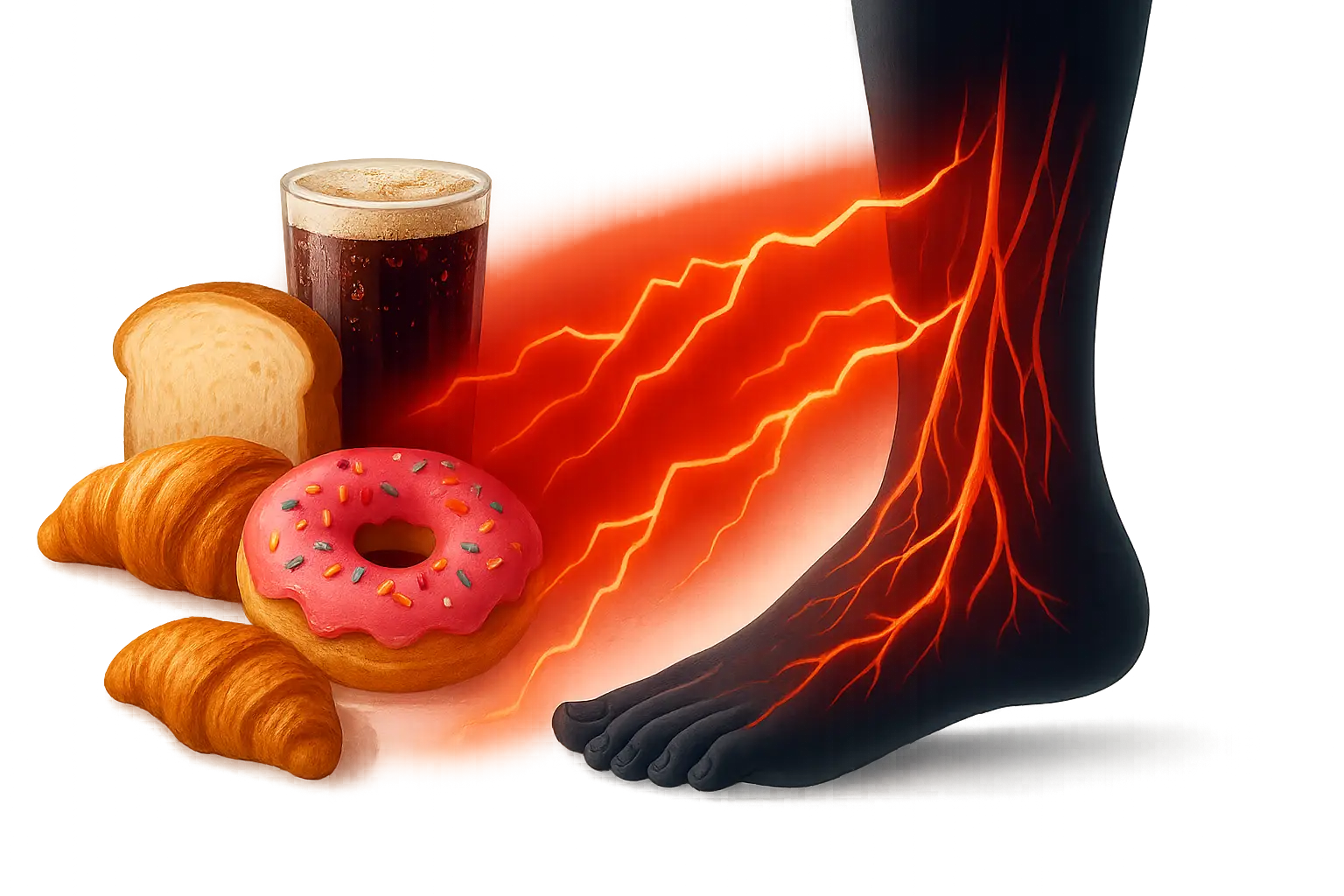
    Illustration showing sugar and processed carbs worsening nerve pain, with donuts, bread, soda and pastries linked to burning feet and inflamed nerves.

    Living with nerve pain is exhausting — especially when burning, tingling, and numbness keep you awake at night.

    What few people realize is that sugar and processed carbs are among the top foods that worsen nerve pain. They silently damage nerves, increase inflammation, and make symptoms much harder to control.

    In this article, you’ll discover why sugar and processed carbs are so dangerous for your nerves, how they trigger burning sensations, and what you can do about it.

    Why Sugar Worsens Nerve Pain

    Refined sugar floods your bloodstream, spiking blood glucose levels. Over time, these spikes damage the tiny blood vessels that carry oxygen and nutrients to your nerves. When nerves don’t get what they need, they become “starved” and start to misfire.

    Symptoms linked to high sugar intake include:

    This is why people with diabetes often suffer from peripheral neuropathy — but even those without diabetes can feel the effects of sugar on their nerves.

    How Processed Carbs Trigger Nerve Damage

    Foods like white bread, pasta, pastries, and cookies may not taste like sugar — but your body treats them the same way.

    Processed carbs break down quickly into glucose, causing the same spikes and crashes that harm nerves. The constant “rollercoaster” of blood sugar levels fuels inflammation and accelerates nerve damage.

    👉 Sugar and processed carbs are among the top foods that worsen nerve pain — and cutting them down could be the first step toward relief.

    The Hidden Risks of a High-Sugar Diet

    If you continue eating large amounts of sugar and processed carbs, the risks go far beyond temporary burning feet:

    ⚠️ Ignoring these hidden risks allows nerve pain to progress silently until it becomes irreversible.

    Stop Letting Sugar Destroy Your Nerves — Learn the 5 Foods to Avoid

    Join over 500 other readers getting relief!

    Your subscription could not be saved. Please try again.
    Success! Your guide is on its way. Please check your inbox to download it now.

    Get Your Free Nerve Pain Food Guide!

    Discover the 5 foods to avoid and the 5 that can help soothe nerve pain.

    Terms of Service | Privacy Policy